Gambling houses: presence non grata
among those struggling the most

Patricia Martínez Sastre

During the Covid-19 pandemic and unsual image became recurrent on the Spanish television: gambling houses wide open in Madrid, while going out to green areas remained forbidden. Distributed along the 21 city districts there are 405 gambling and betting houses, the largest number in Spain, according to the latest data by Madrid City Council.
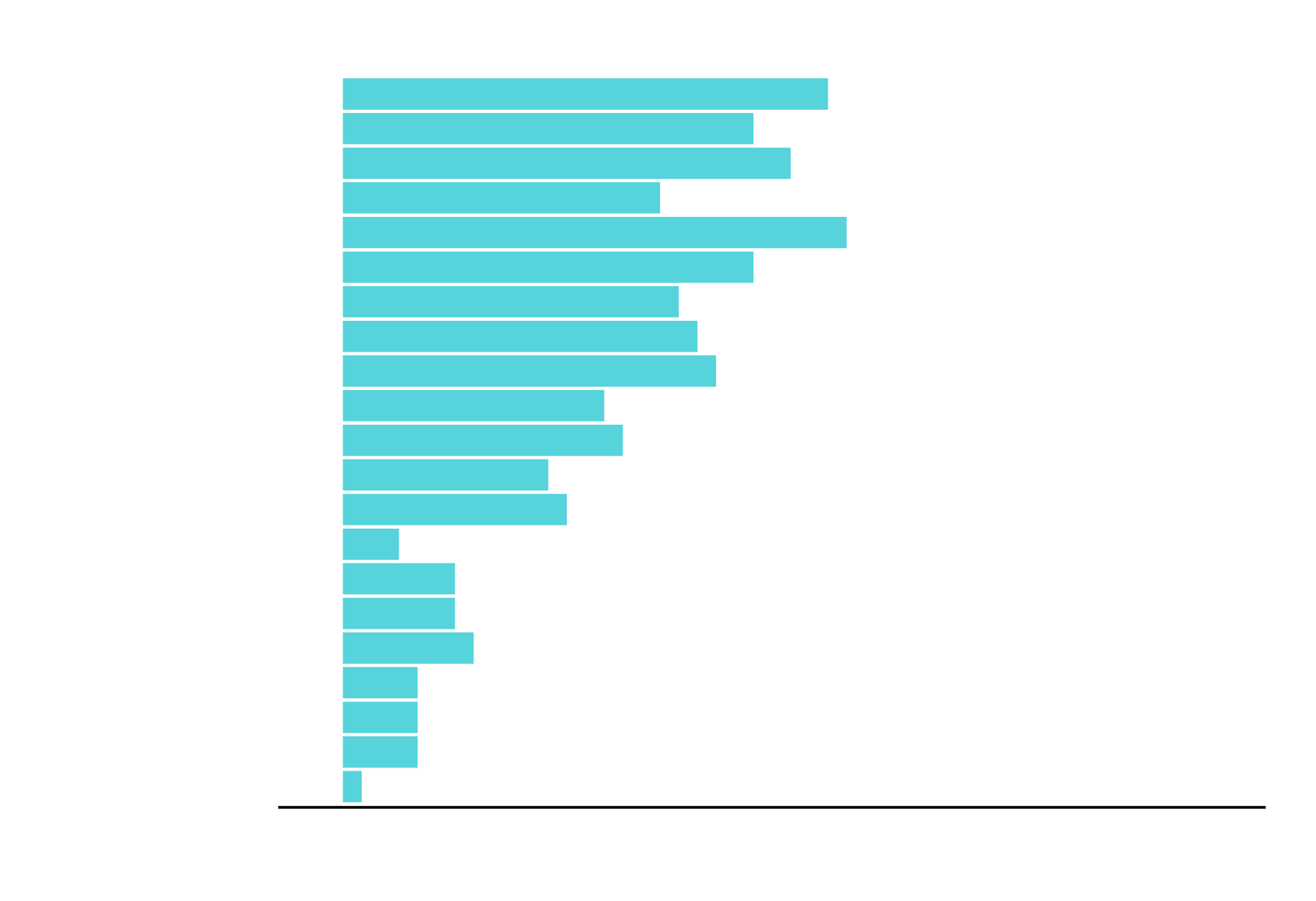
But these recreational places are far from being equally distributed. Only five districts bare within their neighborhoods half of those businesses. Most of them located less than 150 meters away from kindergarten, bakeries, high school centers. Today, that discrepancy among wealthier and working-class districts is more evident than ever.
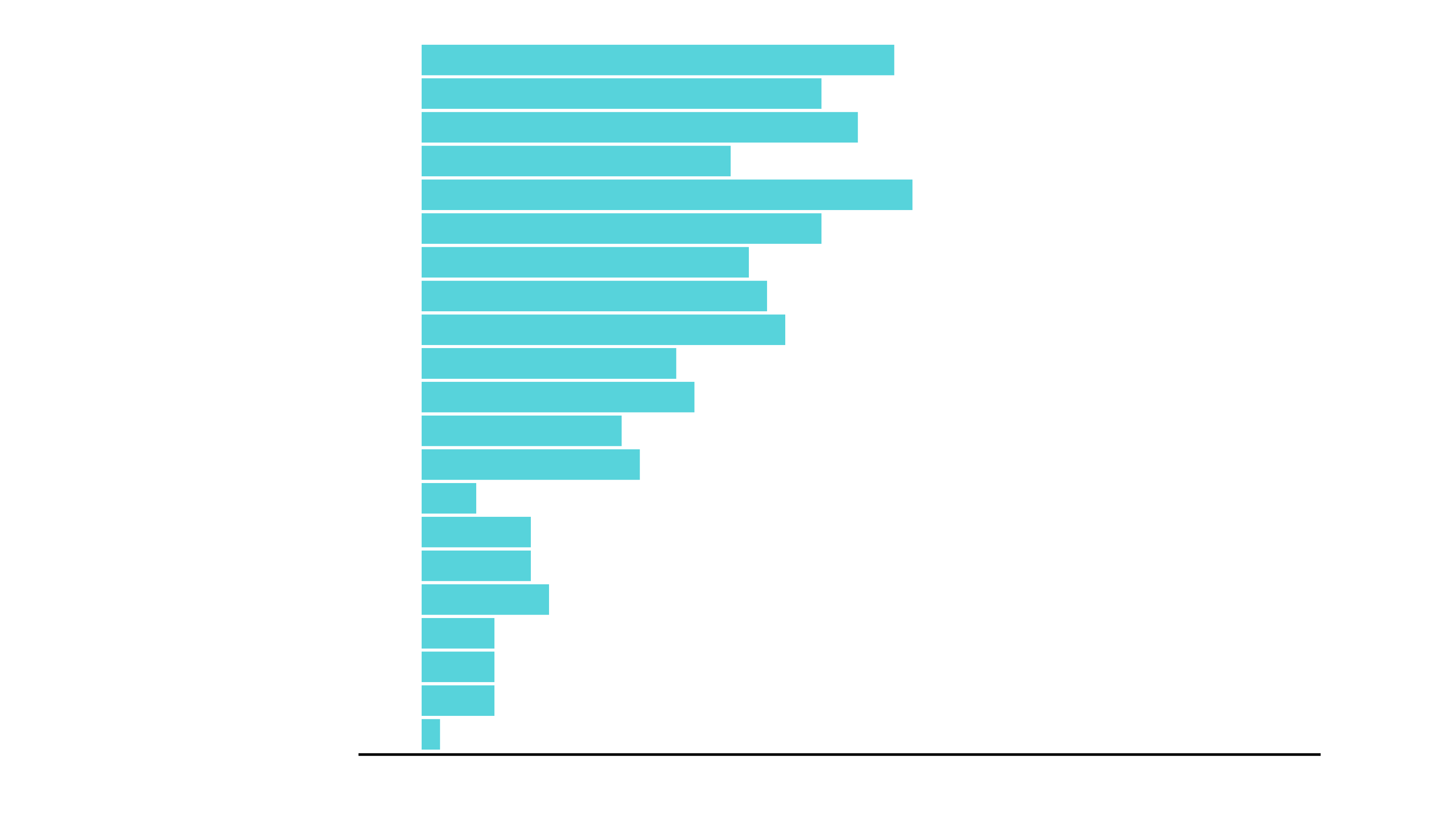
19 1 26 27 12 20 22 3 6 18 5 4 22 7 15 1 1 24 17 6 4 14 24 3 47 31 21 28 10 7 7 27 4 5 43 16 13 12 39 32 9 7 20

Carabanchel

26

47

Puente de vallecas

22

43

Tetuan

24

39

Usera

17

32

Centro

27

31

Ciudad lineal

22

28

Latina

18

27

Arganzuela

19

24

Chamberi

20

21

Villaverde

14

20

Salamanca

15

16

San blas-canillejas

11

13

Chamartin

12

12

Fuencarral-el pardo

3

10

Vicalvaro

6

9

Hortaleza

6

7

Retiro

7

7

Villa de vallecas

7

4

Moratalaz

4

5

Moncloa-aravaca

4

5

Barajas

1

3

0

10

20

30

40
19 1 26 27 12 20 22 3 6 18 5 4 22 7 15 1 1 24 17 6 4 14 24 3 47 31 21 28 10 7 7 27 4 5 43 16 13 12 39 32 9 7 20

Carabanchel

26

47

Puente de vallecas

22

43

Tetuan

24

39

Usera

17

32

Centro

27

31

Ciudad lineal

22

28

Latina

18

27

Arganzuela

19

24

Chamberi

20

21

Villaverde

14

20

Salamanca

15

16

San blas-canillejas

11

13

Chamartin

12

12

Fuencarral-el pardo

3

10

Vicalvaro

6

9

Hortaleza

6

7

Retiro

7

7

Villa de vallecas

7

4

Moratalaz

4

5

Moncloa-aravaca

4

5

Barajas

1

3

0

10

20

30

-->

40

Despite the fact that some of the poorest districts in Madrid had already in 2017 a great number of
gambling houses

that number continued to grow amid a
total lack of legislation

to a point that it almost doubled in three districts where significant communities of migrants live.

This is the story of what is happening in those areas.

A common pattern

Gonzalo López Calvo has lived all his life in the district of Tetuán, where since a Gambling Law was passed in 2009 the presence of betting shops multiplied. The same situation took place in similar neighboring areas from a demographic and economic perspective.
"From the beginning they looked for commercial hubs in places with lower average income, foreign population and where families of eight or nine members live in 60 squared-meters", Calvo explains.

"If that's your reality, betting shops can resemble a paradise".

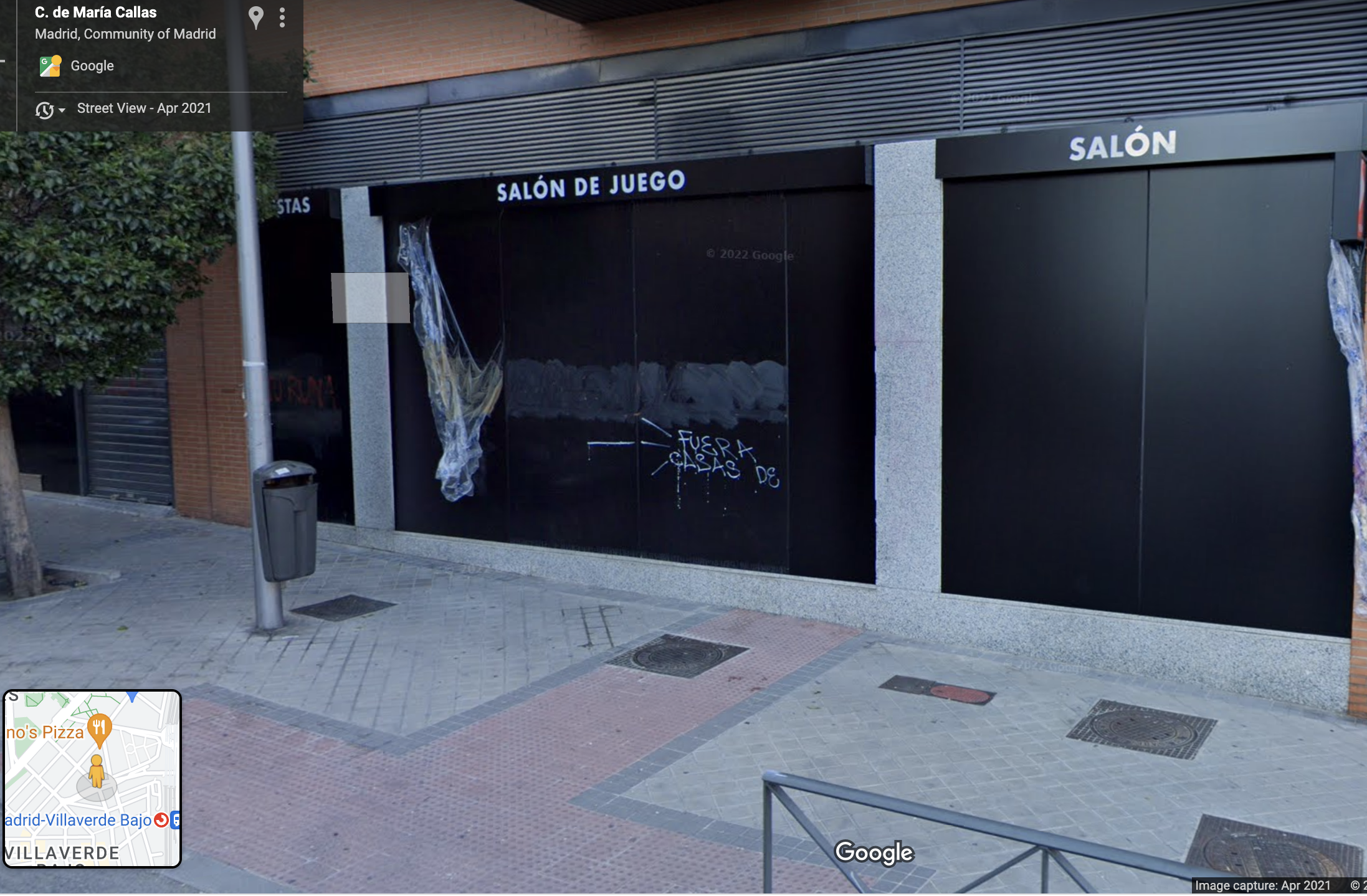
A gambling house with a graffiti that says: 'Betting shops out'
A betting shop in the working-class district of Villaverde shows a graffiti that says: "Let's get rid of (gambling) houses"

This layout has been really harmful to migrant communities from Ecuador, China, the Philipines and Rumania, among other nationalities. According to experts, in addition to finding a place to chill, and have affordable food and drinks, some of these groups might feel safer in front of a slot machine than in the street, specially if their status is irregular.

[finishing another graph]