The children we lose
Patricia Martínez Sastre
On a May night last year, Tempe Police officers responded to a call of domestic
violence at the home of Phoenix resident Yui Inoue. They talked to her and left the house.
During a second check-in the following morning,they found the lacerated bodies of her two children
—seven and nine years old— covered in bloody blankets.
Inoue was accused of killing them at dawn with a meat cleaver.
Just two months and a half earlier, the Arizona’s child welfare agency had open an investigation on her for
alleged neglect against her youngest kid, Kai. The investigation remained open, although inactive, when the double murder happened.
Inoue’s horrific infanticide shook police officers and the community alike, but her case isn’t an isolated one.
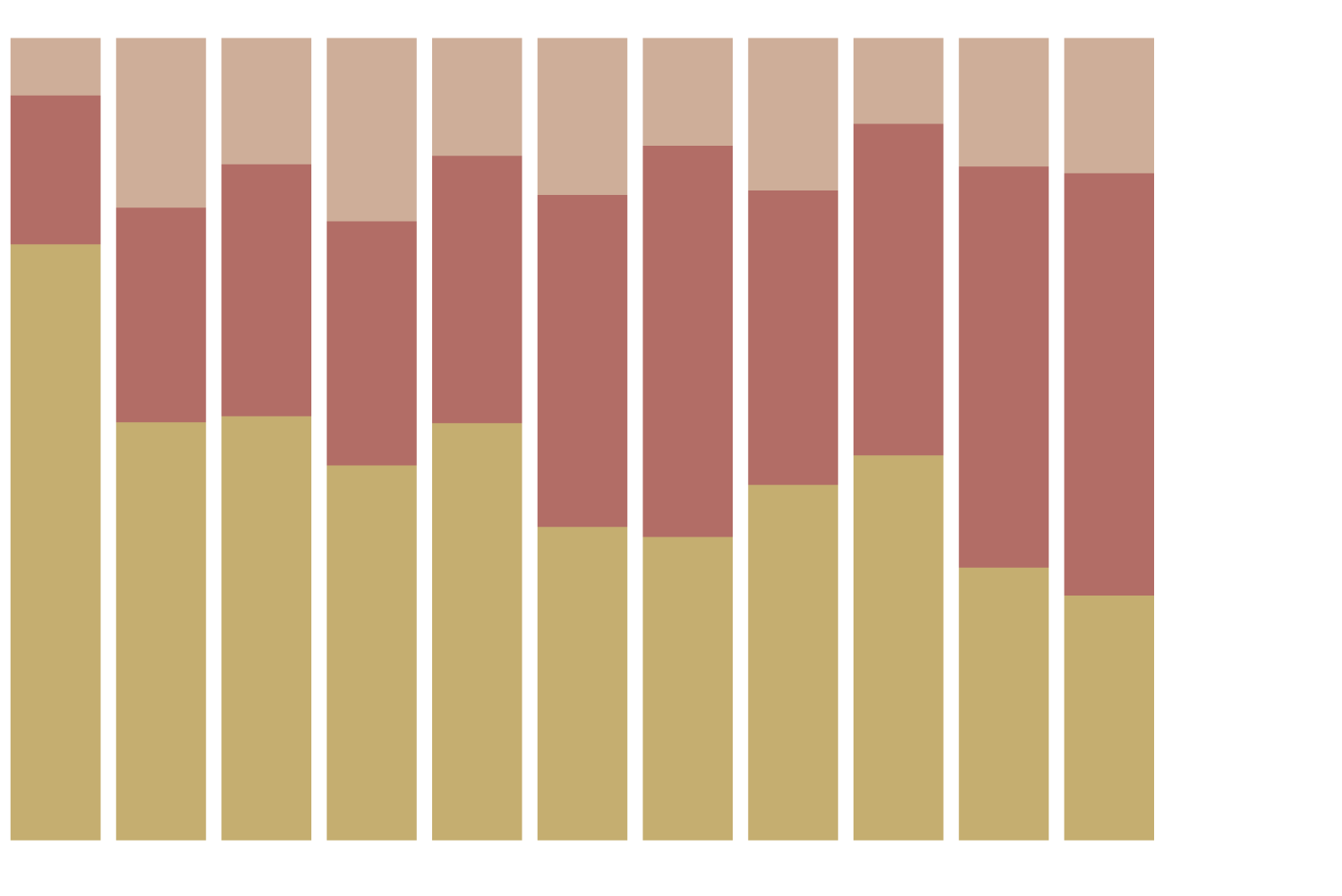
Roughly 2 out of 3 families whose children died from abuse or neglect in Arizona in 2020 had a prior involvement
with the agency, according to their last child fatality annual review.
These numbers have remained almost unchanged since 2015 -with hundreds of children killed despite their families having one,
two or even six prior reports- and despite the fact that researchers have documented that "having an investigation from the
social services means a six times greater risk of dying" than children without a report.
The percentage of child homicide among familes known
by the social services has almost tripled since 2010
Deaths Among Children by Status With Arizona's CPS Agency
Case Open at
Time of Death
7%
11
16
15
16
13
17
20
19
23
21
19%
At least one
prior case
closed
41
31
33
27
37
30
49
50
41
53
74%
No History
of Involvement
52
53
47
52
48
44
39
38
34
30
2010
2011
2012
2013
2014
2015
2016
2017
2018
2019
2020
Case Open at
Time of Death
7%
11
16
15
16
13
17
20
19
23
21
19%
At least one
prior case
closed
41
31
33
27
37
30
49
50
41
53
74%
No History
of Involvement
52
53
47
52
48
44
39
38
34
30
2010
2011
2012
2013
2014
2015
2016
2017
2018
2019
2020
Case Open at
Time of Death
7%
11
16
15
16
13
17
20
19
23
21
19%
At least one
prior case
closed
41
31
33
27
37
30
49
50
41
53
74%
No History
of Involvement
52
53
47
52
48
44
39
38
34
30
2010
2011
2012
2013
2014
2015
2016
2017
2018
2019
2020
Case Open at
Time of Death
7%
11
16
15
16
13
17
20
19
23
21
19%
At least one
prior case
closed
41
31
33
27
37
30
49
50
41
53
74%
No History
of Involvement
52
53
47
52
48
44
39
38
34
30
2010
2011
2012
2013
2014
2015
2016
2017
2018
2019
2020
While the number of teenagers killed by gunfire rose sharply amid the coronavirus pandemic
—partly linked to a surge in homicide rates and gun-buying,
experts say
— little has changed in the last decades regarding child homicides.
Most are infants or toddlers who perish from abuse —beatings and brain injuries—inflicted by their parents
or caretakers, or from neglect due to starvation, inadequate medical care or unsafe co-sleeping.
When mothers are the perpetrators, asphyxiation and drowning are more frequently used as the method of murder.
Across all states, teenagers 15 to 17 years old
are overwhelmingly killed by a firearm (left).
When the weapon used is not unknown, most children
5 or younger are killed by brute force (right).


Why a parent kills their offspring is a question that puzzles researchers around the globe.
In the case of maternal filicide, a combination of mental health illnesses such as severe depression
or postpartum psychosis; exposure to domestic violence or merely economic stress seem to tilt the balance,
according to different psychiatry studies.
"Postpartum psychosis is the most severe and misunderstood form of maternal mental illness", says perinatal clinical psychologist
Susan Feingold about this rare ailment that occurs in 1 to 2 out of every 1,000 childbearing women.
It often manifests days or week following delivery, and auditory hallucinations —voice commands— and impaired reality testing and judgment are some
of its hallmark symptoms. Some women suffer for years previous mental health issues, but many don't.
"The scariest fact is that half of them have no history of mental illness and are blindsided by it", Feingold adds.